Çatalhöyük is one of the world's oldest and largest Neolithic farming villages. Located on the Konya Plain in central Turkey, this 9,000-year-old settlement was home to thousands of people who lived in densely packed mudbrick houses, buried their dead beneath their floors, and created some of the earliest known wall paintings and mother goddess figurines.
Çatalhöyük (7400-6000 BC) a major Neolithic farming city, one of the biggest of its time in the world is only a few hundred kilometers west of Göbeklitepe in Central Anatolia. Unlike Göbeklitepe, which was a ritual center built by hunter-gatherers, Çatalhöyük is a permanent farming village where people lived year-round. It represents the full flowering of the Neolithic revolution: agriculture, animal domestication, trade, craft specialization, and social hierarchy.
The European farmers were responsible for the megaliths but we know that all the farmers of Europe migrated from Turkey. Especially Çatalhöyük in Central Anatolia/Turkey served as a hub. And to the west, there were migrations from the area where Troy is located to Europe. The farmers of Çatalhöyük had migrated from Southeast Anatolia where Gobeklitepe is located.
There is another site, much less known than Çatalhöyük but a full 1000 years before Çatalhöyük and almost adjacent to it, 9 kilometers or 1-2 hours walking distance from Çatalhöyük: Boncuklu. The beginning of this site, 8400 BC, was contemporary with the mid-late Göbeklitepe period.
At its peak, an estimated 3,000 to 8,000 people lived in 2,000 houses covering 13.5 hectares (33 acres). The site is a UNESCO World Heritage Site and one of the best-preserved Neolithic settlements in the world.
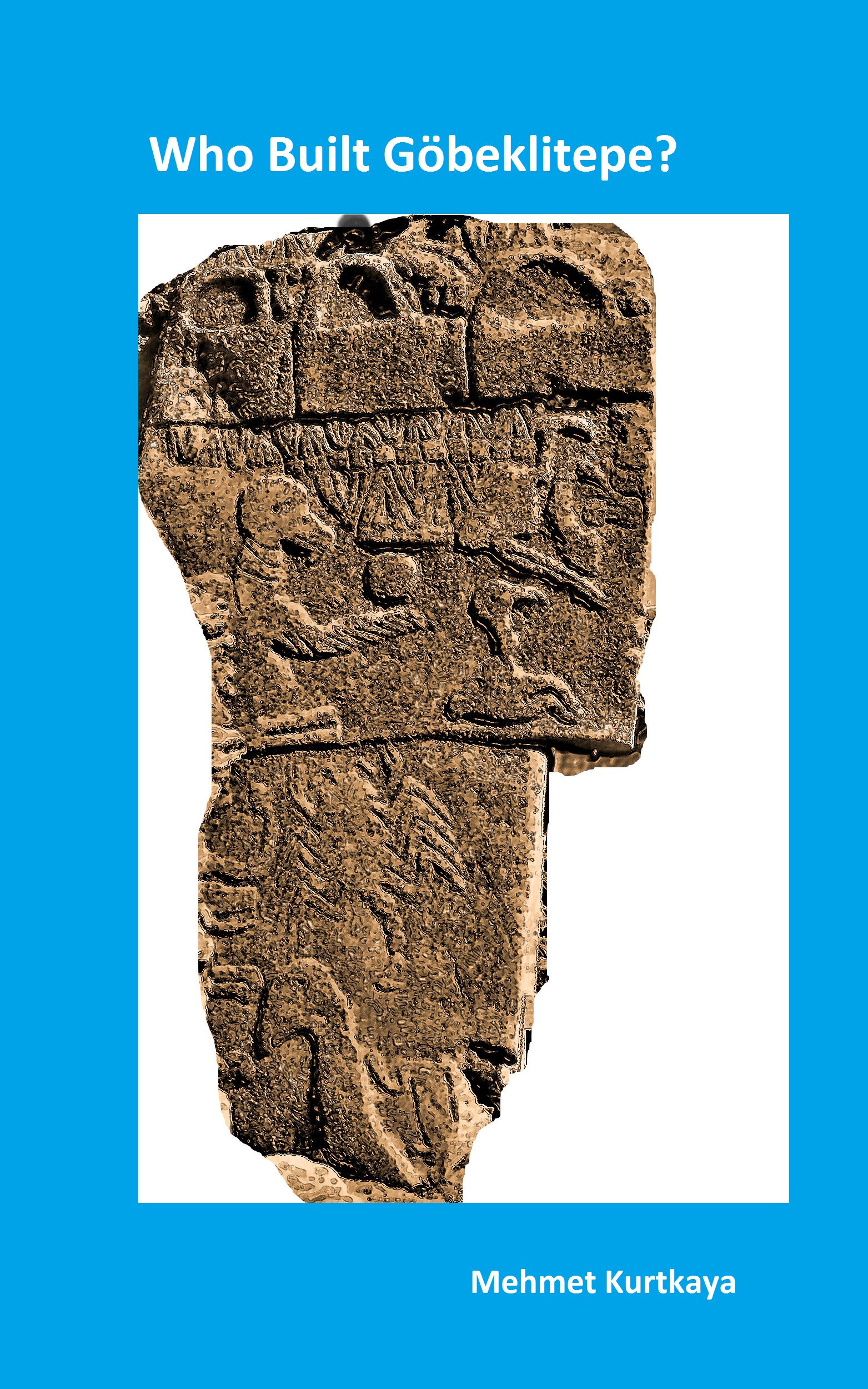
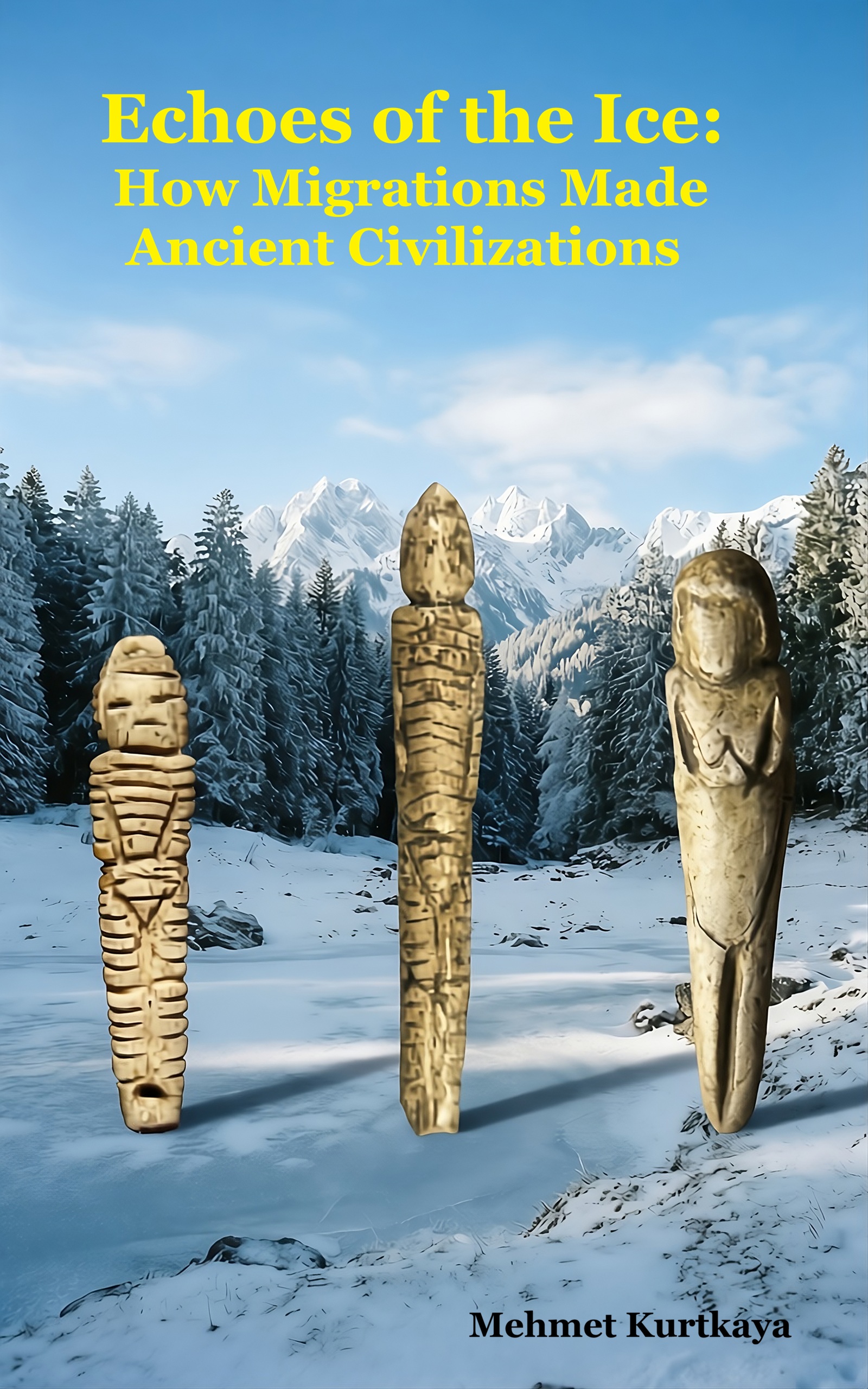
"The few lines regarding European farmers, Boncuklu, and the Göbeklitepe farmer connection come from my book 'Who Built Göbeklitepe'."
| Location | Konya Plain, central Turkey (50 km southeast of Konya) |
| Age | 7400 BC to 6000 BC (9,000-9,400 years old) |
| UNESCO Status | World Heritage Site (2012) |
| Key Discoveries | Mother goddess figurine, wall paintings, buried dead beneath floors |
| Excavation Directors | James Mellaart (1958-1965), Ian Hodder (1993-2018) |
| Best Visiting Months | April-May, September-October |
Çatalhöyük is not like other Neolithic sites. Several features set it apart from both earlier (Göbeklitepe) and contemporary (Jericho) settlements.
The most striking feature of Çatalhöyük is its urban layout. Houses were built side by side with no streets, alleys, or gaps between them. Residents entered their homes through holes in the roof, climbing down wooden ladders. The flat roofs served as outdoor spaces where people worked, cooked, and socialized. Waste was thrown into the streets or outside the settlement walls, which over time raised the ground level so that later houses were built on top of earlier ones, creating a tell (mound) 21 meters (69 feet) high.
Unlike Göbeklitepe, where no graves have been found, Çatalhöyük has hundreds of burials. The dead were placed beneath the platforms and floors of houses, wrapped in mats or baskets. Some graves contained multiple individuals. Skulls were sometimes removed and painted, then reburied or displayed. This practice suggests ancestor worship and a strong connection between the living and the dead within the same domestic space.
The walls of Çatalhöyük houses were decorated with some of the oldest known paintings in the world. Scenes include: hunting wild animals (deer, boar, aurochs), vultures attacking headless human figures, and the oldest known landscape painting or map (showing the twin peaks of Hasan Dağı volcano erupting, with houses below). Many walls also featured bull heads and horns mounted on plaster platforms, suggesting ritual use.
The most famous artifact from Çatalhöyük is the Seated Woman figurine, dating to around 6000 BC. Carved from baked clay, she sits on a throne flanked by two leopards, with her hands resting on her belly. It is one of the earliest known representations of a mother goddess figure, associated with fertility and abundance. While similar figurines have been found across Neolithic Europe and Anatolia, the Çatalhöyük example is the most finely crafted and iconic.
| Feature | Göbeklitepe | Çatalhöyük |
| Date | 9400-7400 BC | 7400-6000 BC |
| Type of site | Ritual center (cultic) | Residential (farming village) |
| Architecture | Monolithic T-shaped pillars | Mudbrick houses, no streets |
| Population | Seasonal gatherings | 3,000-8,000 permanent residents |
| Key artifacts | Animal reliefs, T-pillars | Mother goddess, wall paintings, burials |
The main excavation area is covered by a large protective shelter that allows visitors to walk on raised platforms above the 9,000-year-old houses. You can see the mudbrick walls, plastered floors, ovens, and burial platforms exactly as they were excavated. Labels and diagrams explain the various structures and their purposes.
Next to the visitor center, a full-scale replica of a Çatalhöyük house has been built using traditional materials and methods. You can enter through the roof (via ladder), see the interior layout, and experience what daily life might have felt like in this crowded, windowless space.
The visitor center features exhibits of artifacts excavated from the site, including obsidian tools, pottery, figurines (including replicas of the Seated Woman), and detailed explanations of the excavation history, dating methods, and daily life in the Neolithic period.
The West Mound is slightly younger (6000-5700 BC) and less excavated than the East Mound, but you can still see the outlines of houses and streets. It represents a later phase where Çatalhöyük's population declined and the settlement became less dense.
Çatalhöyük is located about 50 kilometers (31 miles) southeast of Konya, near the modern village of Küçükköy.
From Konya, drive southeast on D715 toward Karaman. After approximately 40 kilometers, follow signs to Çatalhöyük. The site is well-marked. Total drive time: 45-50 minutes. Parking is free at the site entrance.
Taxis from Konya city center to Çatalhöyük cost approximately $30-40 one way. Most drivers will wait for 1-2 hours for an additional $15-20. It is cheaper to hire a taxi for a half-day tour ($60-80).
Several Konya tour agencies offer half-day trips to Çatalhöyük, often combined with the Konya Archaeology Museum. Prices range from $30-50 per person including transport and guide.
Take a minibus (dolmuş) from Konya's main otogar (bus station) toward Küçükköy or Çumra. Ask to be dropped at the Çatalhöyük turnoff, then walk 2 kilometers (about 25 minutes) to the site entrance. Not recommended for those with mobility issues.
Plan 1.5 to 2 hours for Çatalhöyük. This allows time to explore the protective shelter, view the reconstructed house, and visit the visitor center museum. There is a small cafe and gift shop on site, but bringing water and snacks is recommended, especially during summer.
The site is completely wheelchair accessible via ramps and raised walkways. The protective shelter provides shade, but the walkways are open to the sides, so hot weather can still be intense. Summer visitors should bring hats, sunscreen, and water.
Spring (April-May) and autumn (September-October) are ideal, with temperatures ranging from 15-25°C (59-77°F). Summers (June-August) are extremely hot (35-40°C / 95-104°F), and the Konya Plain has no natural shade except the protective shelter. Winter (November-March) is cold (0-10°C / 32-50°F) and rainy, but the site is still open.
Morning visits (8-10 AM) are best for avoiding heat and crowds. Afternoon visits (after 3 PM) are also comfortable in spring and autumn.
Çatalhöyük is not the oldest Neolithic site. Jericho in Palestine and Göbeklitepe in Turkey are thousands of years older. However, Çatalhöyük represents a crucial stage in human development: the transition from small seasonal camps to large permanent settlements with thousands of residents.
The people of Çatalhöyük grew wheat, barley, peas, and lentils. They herded sheep and goats, and they hunted wild cattle, deer, and boar. They traded obsidian (volcanic glass) from nearby Hasan Dağı, which was used to make tools and mirrors. They wove baskets and textiles. They made pottery and carved figurines.
Çatalhöyük shows us that early farming was not a simple, inevitable progression. It was a complex adaptation that required new social structures, new beliefs, and new ways of organizing space and labor. The wall paintings, burials, and figurines reveal a rich spiritual life that continued alongside the adoption of agriculture.
As noted in the Göbeklitepe guide, the Neolithic revolution began in Southeast Turkey around the Taurus Mountains. Çatalhöyük is only a few hundred kilometers west of Göbeklitepe, on the Konya Plain. This is the area where the first farmers of Europe migrated from. Genetic studies show that Europe's first farmers were descendants of people from the Konya region, including Çatalhöyük.
Konya has a growing number of quality hotels, from traditional Ottoman mansions to modern chains.
Modern international chain hotel, central location, comfortable rooms. Price: $70-120 per night.
Boutique hotel in a restored Ottoman building near Mevlana Museum. Traditional atmosphere, Turkish bath. Price: $60-100 per night.
Budget-friendly option near the bus station. Clean, simple rooms. Price: $35-55 per night.
Çatalhöyük is one of the world's oldest and largest Neolithic farming villages, located in central Turkey near Konya. It was inhabited from approximately 7400 BC to 6000 BC and is known for its densely packed mudbrick houses, wall paintings, mother goddess figurines, and evidence of early agriculture and trade.
Çatalhöyük was inhabited from approximately 7400 BC to 6000 BC, making it about 9,000 to 9,400 years old. It is one of the best-preserved Neolithic sites in the world.
Çatalhöyük is located in central Turkey, approximately 50 kilometers southeast of Konya, near the modern village of Küçükköy. It sits on the Konya Plain, about 40 kilometers from the volcanic mountain Hasan Dağı.
The most famous artifact from Çatalhöyük is the Seated Woman figurine, dating to around 6000 BC. Carved from baked clay, she sits on a throne flanked by two leopards, with her hands resting on her belly. It is one of the early representations of a mother goddess figure, associated with fertility and abundance. The original is displayed at the Konya Archaeology Museum.
Yes, Çatalhöyük is open to visitors. A protective shelter covers the main excavation area, and there is a visitor center with exhibits. The site is located about 50 km from Konya, which has daily flights and bus connections from Istanbul, Ankara, and Antalya.
Unlike Göbeklitepe (a ritual center), Çatalhöyük is a large residential settlement where people lived year-round. Its unique features include houses built side-by-side with no streets (entry was through roof holes), burial of the dead beneath house floors, and elaborate wall paintings of hunting scenes and volcanic eruptions.
Fly from Istanbul (IST or SAW) to Konya Airport (KYA). Turkish Airlines and Pegasus fly daily. From Konya, take a taxi or bus to Çatalhöyük. Alternatively, take an overnight bus from Istanbul to Konya (10-12 hours), then local transport to the site.