Şanlıurfa (Urfa) is not just another Turkish city. Known locally as the "City of Prophets," this ancient city in Southeast Turkey has been continuously inhabited for over 11,000 years. It is the birthplace of Prophet Abraham (İbrahim) according to Islamic tradition, the gateway to Göbeklitepe, and home to some of the most flavorful cuisine in the Middle East.
Şanlıurfa is a city where biblical history meets Neolithic archaeology. Urfa offers an authentic, conservative, and deeply historical experience. The old city center is built around Balıklıgöl, the sacred pool where legend says God turned Nimrod's fire into water and the burning coals into fish. Those fish are still there today, protected and revered.
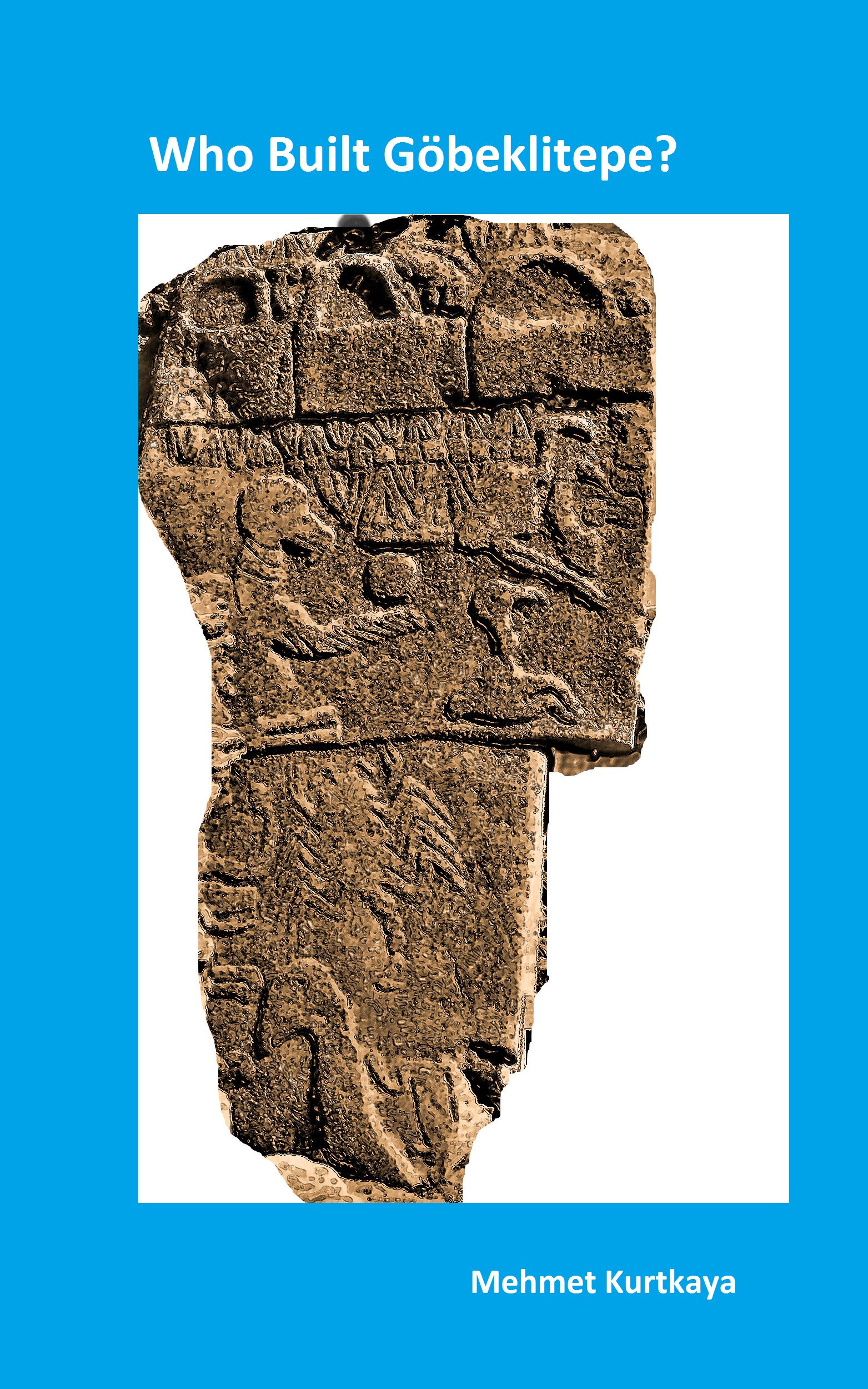
For travelers interested in Göbeklitepe, Şanlıurfa is the natural base. The world's oldest megalithic site is only 18 kilometers away. But Urfa itself deserves two days of exploration, including the archaeology museum hosting stone pillars, Urfa man and other stone carvings which provide a window to the world's oldest megalithic sites.
| Location | Southeast Turkey, 80 km from Euphrates River |
| Population | ~2 million |
| Famous For | Göbeklitepe, Balıklıgöl, Cave of Abraham, çiğ köfte |
| Best Visiting Months | April-May, September-October |
| Airport | Şanlıurfa GAP Airport (GNY), 35 km from city center |
Şanlıurfa holds deep significance in religious traditions. The city is believed to be Ur Kasdim (Ur of the Chaldees), the birthplace of Prophet Abraham (İbrahim). According to tradition, Abraham was born in a cave directly adjacent to Balıklıgöl. The cave is now a pilgrimage site visited by thousands daily.
The legend of Balıklıgöl is central to Urfa's identity. The tyrant Nimrod, angered by Abraham's rejection of idol worship, ordered him thrown into a massive fire. God commanded the fire: "Be cool and safe for Abraham." The flames turned into water, and the burning coals became sacred fish. The pool has been flowing ever since, and the fish are never caught or eaten.
Şanlıurfa is also associated with Job (Eyüp) and Jethro (Şuayb), other prophets mentioned in the Quran and Bible. The city's religious heritage is visible everywhere: mosques, ancient caves, and pilgrimage sites fill the old town.
Göbeklitepe is the most important archaeological site in the region and the oldest known megalithic complex in the world. The 12,000-year-old T-shaped limestone pillars arranged in circles predate Stonehenge by 6,000 years and the Pyramids by 5,000 years. The site has a modern visitor center and protective shelter.
From Şanlıurfa city center, Göbeklitepe is a 25-30 minute drive. Dolmuş (shared minibuses) depart from the main otogar (bus station) for about $2-3 each way. A taxi costs approximately $15-20 each way. Plan at least 2-3 hours at the site. For a detailed guide, see our Göbeklitepe travel guide.
This is one of Turkey's most important archaeology museums. It houses artifacts from Göbeklitepe, Nevali Çori, and other Paleolithic and Neolithic sites in the region. The highlight is the "Urfa Man," a life-sized limestone statue dating to around 9000 BC. It is the oldest known life-sized human statue in the world. The museum also displays the T-shaped pillars, animal reliefs, and tools excavated from Göbeklitepe.
Plan at least 2-3 hours for the museum. It is located on the northern edge of the city center. The entrance fee is approximately $5.
This is the heart of Şanlıurfa. The pool complex includes the sacred fish pond, two mosques (Rizvaniye and Halil-ür Rahman), the Cave of Abraham, and beautifully landscaped gardens. The pool is filled with thousands of carp-like fish that are considered sacred. Locals and pilgrims feed them bread crumbs while making wishes.
Entrance to Balıklıgöl is free. The Cave of Abraham requires a small ticket (about $2). The best time to visit is early morning (before 9 AM) or late afternoon (after 4 PM) to avoid the heat and crowds. You can sit at the outdoor tea gardens overlooking the pool.
Located just above Balıklıgöl, this small cave is believed to be Abraham's birthplace. The cave has been converted into a prayer room and pilgrimage site. Visitors remove their shoes before entering. The atmosphere is reverent and peaceful. Even non-religious travelers will appreciate the site's historical and cultural significance.
Şanlıurfa's covered bazaars are among the most authentic in Turkey. Unlike the tourist-oriented Grand Bazaar in Istanbul, Urfa's bazaars serve locals. You will find copper workers, textile merchants, spice sellers, and jewelry makers. The atmosphere is lively, especially in the evenings.
The main bazaar streets include: Bedesten Bazaar (jewelry and antiques), Sipahi Bazaar (textiles), Kazaz Bazaar (copper and metalwork), and the Spice Bazaar (isot pepper, dried fruits, herbs). Bargaining is expected for most items except food and drinks.
Harran is an ancient village 45 kilometers south of Şanlıurfa, near the Syrian border. It is famous for its unique beehive-shaped mudbrick houses, constructed without wood. These domed structures keep interiors cool in summer and warm in winter. Harran was an important Assyrian and Islamic center mentioned in the Bible.
The beehive houses are still inhabited by a few families. Visitors can enter some houses for a small fee (about $1). Harran also has the ruins of one of the world's oldest Islamic universities, dating to the 8th century. A trip to Harran takes a half-day (about 4-5 hours including transport). Taxis from Urfa cost about $30-40 each way.
Şanlıurfa's cuisine is heavily influenced by Arab, Kurdish, and Syriac traditions. The food is generally spicy, with the famous Urfa red pepper (isot) appearing in almost every dish. Prices are significantly lower than in Istanbul or coastal resorts.
Şanlıurfa claims to be the origin of çiğ köfte (raw meatball). The original version contained raw ground lamb, fine bulgur, and spices. Today, due to health regulations, most çiğ köfte in Turkey is vegetarian. But in Urfa, you can still find traditional raw meat çiğ köfte at specialized restaurants. Ask for "etli çiğ köfte" (with meat).
Urfa lahmacun is thinner and crispier than the version found elsewhere. It is topped with finely minced meat, isot pepper, onions, and parsley. Served with fresh parsley, lemon, and sumac onion salad. The best lahmacun is found in the bazaar area near Balıklıgöl. Prices are $1-2 each.
A unique Urfa dish: rice pilav cooked with roasted eggplant, lamb or chicken, and spices. Often served with yogurt on the side. This is a comfort food staple available at most lokantas (local eateries).
Urfa kebab is similar to Adana kebab but spicier. The minced lamb or beef is hand-chopped with isot pepper and grilled over charcoal. Served with roasted tomatoes, peppers, and lavash bread. A full portion with sides costs $5-8.
This dark purple-red pepper is sun-dried, then kneaded with oil and salt. It has a unique smoky-heat flavor that first appears mild then builds. Buy isot in the Spice Bazaar. A bag costs $3-10 depending on quality.
Most visitors stay near Balıklıgöl or the city center. Luxury international chains are limited; Urfa is better for traditional boutique hotels and family-run pensions.
4-star hotel located 500 meters from Balıklıgöl. Spacious rooms, Turkish bath, and rooftop restaurant. Price: $80-150 per night.
Modern international chain hotel near the new city center. Good for business travelers. Price: $70-120 per night.
Boutique hotel in a restored historic mansion near the bazaar. Traditional Urfa architecture, friendly staff. Price: $60-100 per night.
Budget-friendly option 5 minutes from Balıklıgöl. Clean, simple rooms. Price: $35-55 per night.
The single most important factor in planning your Urfa trip is the weather. Summer temperatures regularly exceed 40°C (104°F) and can reach 48°C (118°F) in July and August. Sightseeing during summer is dangerous without proper hydration and shade.
Spring (April to early June): Ideal. Temperatures 20-30°C (68-86°F). Green hills, wildflowers. The best time for outdoor sightseeing.
Autumn (September to October): Second best. Temperatures drop to 25-32°C (77-90°F). Still warm but comfortable with hat and water.
Winter (November to March): Mild days (10-18°C / 50-64°F) but rainy. Fewer tourists. Some hotels and bazaars may have reduced hours.
Summer (mid-June to August): Avoid if possible. The heat is extreme. If you must visit, do all outdoor activities before 10 AM and after 5 PM.
| 2 Days | Day 1: Balıklıgöl, Cave of Abraham, Archaeology Museum. Day 2: Göbeklitepe half-day, bazaars in evening. |
| 3 Days | Add Harran beehive houses or Karahantepe. |
| 4+ Days | Combine with Mardin, Diyarbakır, or Gaziantep for a full Southeast Turkey tour. |
By Air: Şanlıurfa GAP Airport (GNY) is 35 kilometers (about 30 minutes) from the city center. Turkish Airlines, Pegasus, and SunExpress fly daily from Istanbul (IST and SAW) and Ankara. Domestic flights cost $40-100 each way. Havaş shuttles (about $3) and taxis (about $20-25) connect the airport to town.
By Bus: Long-distance buses arrive at Şanlıurfa Otogar (bus station), located 12 kilometers from the city center. There are frequent services from Istanbul (16-18 hours, $30-40), Ankara (10-12 hours, $20-25), Antalya (12-14 hours, $25-30), and Gaziantep (2.5 hours, $8-10).
By Car: The drive from Antalya or Istanbul is long (10+ hours).
Yes, Şanlıurfa is safe for tourists. The tourist areas (Balıklıgöl, bazaars, museum, Göbeklitepe) are well-patrolled and welcoming. As with any Turkish city, be aware of your belongings in crowded areas and dress modestly when visiting religious sites.
Şanlıurfa is a conservative city. Women should carry a scarf for mosque visits and wear clothing that covers knees and shoulders. Men should wear long trousers (not shorts) in religious areas. Lightweight cotton and linen are best for the hot climate.
No. Dolmuş (shared minibuses) run from Şanlıurfa otogar to Göbeklitepe several times daily. Taxis are also available. A car is only needed for Harran or Karahantepe.
English is less common than in Istanbul or coastal resorts. Learn a few Turkish phrases. Hotel staff and tourist agencies speak English. Restaurants and bazaars may require hand gestures and patience.
Yes, but be aware that many restaurants are closed during daylight hours. Exceptions include tourist hotels and places near Balıklıgöl that serve pilgrims. Evenings are festive with special food and prayers.